Ranger Workshops in partnership with the WWF Germany
Every successful elephant rescue begins with well-trained first responders. Through the Ranger Workshops, facilitated by WWF Germany, rangers, Village Game Scouts (VGS), wildlife officers, and local communities gain the practical skills and confidence needed to respond quickly and effectively when elephants are found in distress.
The workshops are centred around the First Responder Protocol – a standardized approach developed to guide the safe rescue, stabilization, and reunification of orphaned elephant calves with their mothers and family-herds whenever possible. Combining classroom instruction with hands-on practical training, participants learn how to make informed decisions in challenging field situations while prioritizing the welfare of both elephants and people.
Since the programme began, more than 350 rangers, Village Game Scouts, senior wildlife officers, and community members have been trained. In the last two years alone, 284 participants completed workshops across the SOKNOT Landscape, supported by regular refresher training to ensure that critical rescue skills remain up to date.
The training includes:
* Preparing and administering rehydration solutions to stabilize weak or dehydrated elephants.
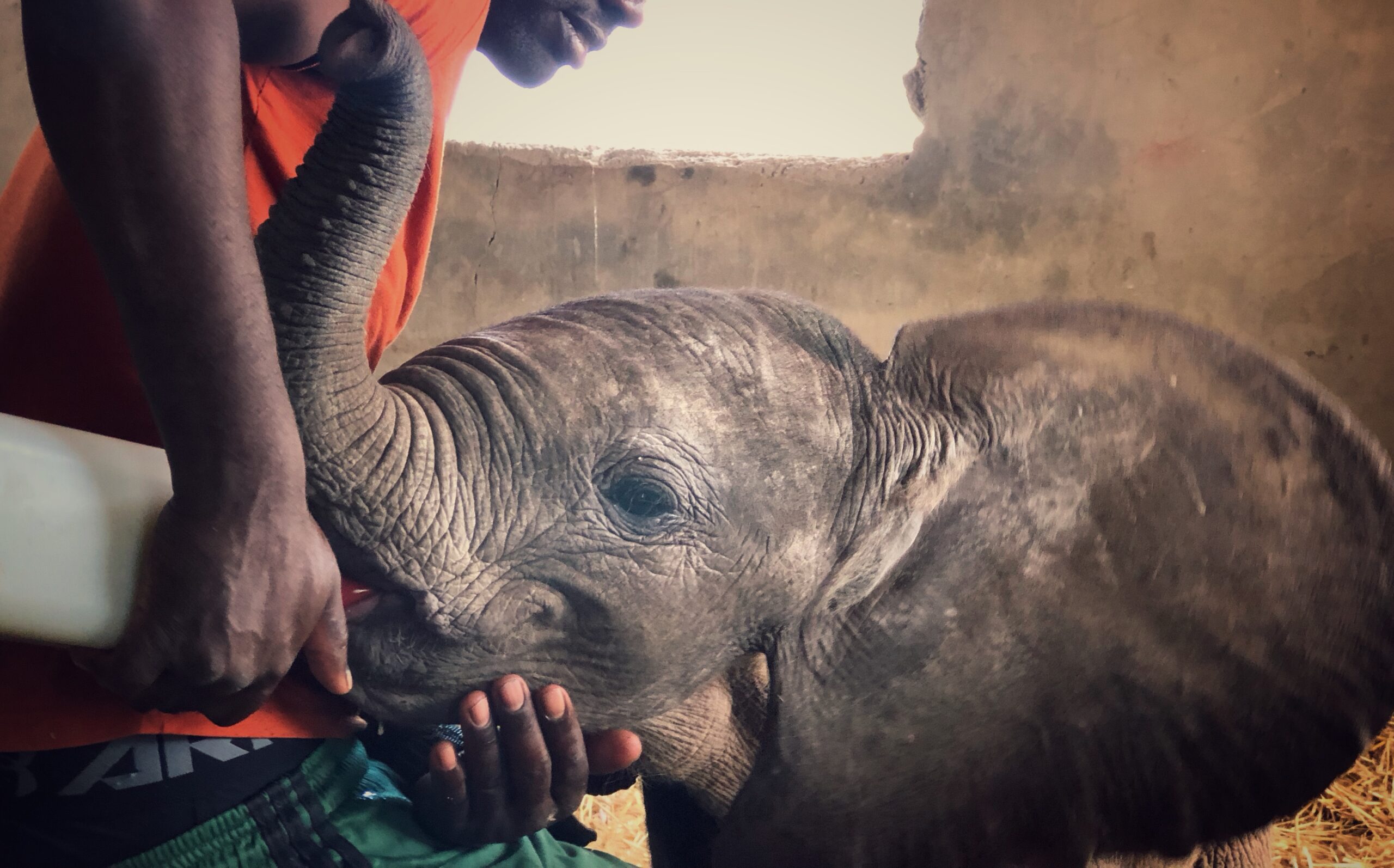
* Safely rescuing and providing temporary care for orphaned elephant calves.
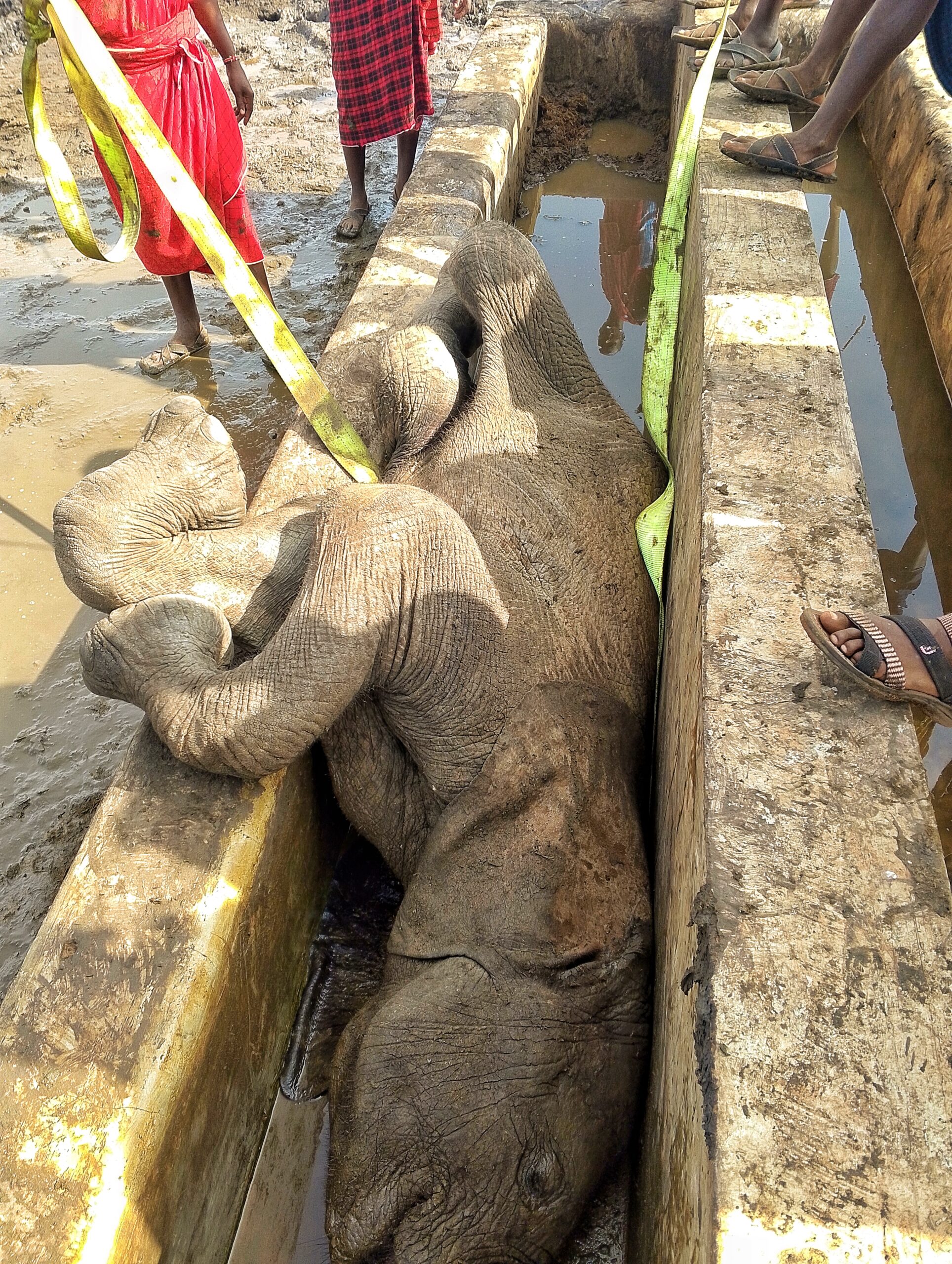
* Responding to emergencies involving adult elephants trapped in wells, mud, snares, or other life-threatening situations.
* Applying techniques that minimise stress and promote the physical and emotional well-being of rescued elephants.
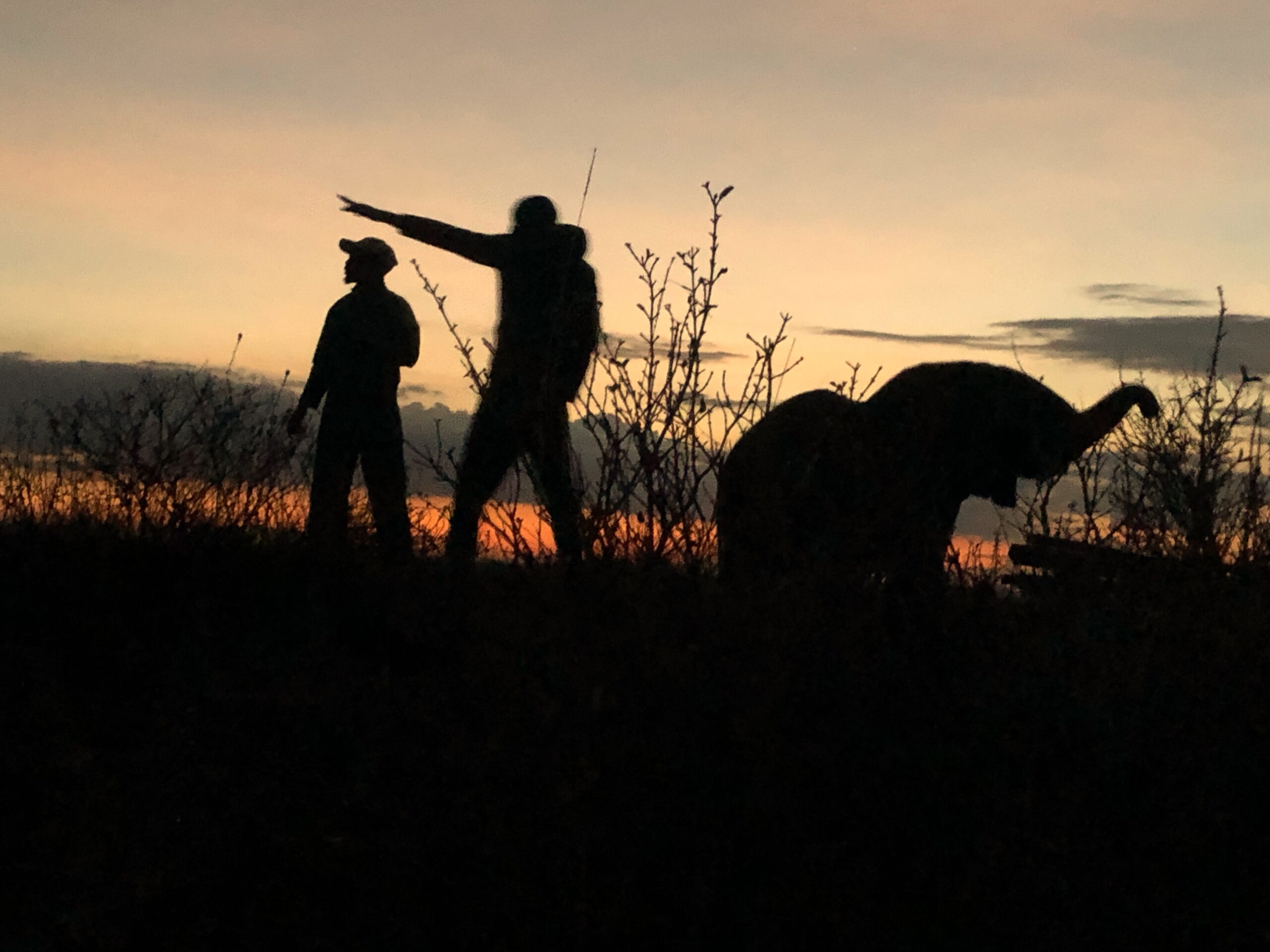
* Tracking family herds and reuniting orphaned calves with their mothers whenever possible.
* Monitoring elephants after release to assess their health and confirm successful reunification.
* Following strict safety procedures that protect rescue teams, local communities, and wildlife throughout every rescue operation.
By investing in the people on the front line of conservation, the Ranger Workshops create a network of skilled first responders capable of giving elephants a second chance. Every trained ranger strengthens the region’s ability to protect wildlife, respond to emergencies, and ensure that vulnerable elephant calves can return to where they belong – with their families in the wild.